Discover the truth behind 10 common nutrition myths
10 Common Healthy Eating and Nutrition Myths Busted (According to Science)
Every time you scroll through social media or open a health magazine, there seems to be a new rule about what you should or shouldn’t eat. Cut all carbs. Avoid eating after 7:00 PM. Drink detox teas to clear your liver. Go fully low-fat.
With so much conflicting advice floating around, maintaining a balanced diet can quickly feel overwhelming.
The truth? Many of these popular diet rules are built on half-truths, outdated studies, or pure marketing hype. To help you break free from diet anxiety and build a healthy relationship with food, let’s dive into 10 of the most common nutrition and healthy eating myths—completely busted by science.
Myth 1: Carbs Make You Gain Weight
The Truth:
Carbohydrates have taken the blame for weight gain for decades, but carbs alone do not make you gain weight—consuming an overall caloric surplus does.
Carbohydrates are your body’s primary and preferred source of fuel. They power your brain, fuel your workouts, and support daily organ function. The key lies in distinguishing between processed carbohydrates and complex carbohydrates:
- Refined Carbs: Foods like sugary cereals, pastries, white bread, and soda digest quickly, leading to rapid blood sugar spikes and short-lived satiety.
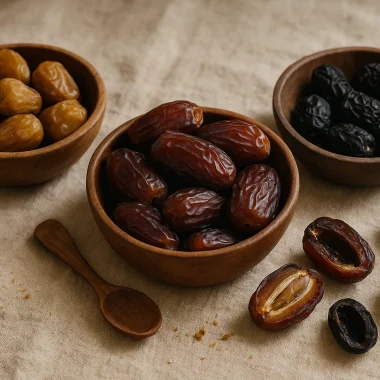
- Complex Carbs: Whole foods like oats, quinoa, dates, brown rice, dry fruits, and legumes are packed with dietary fiber, vitamins, and minerals that digest slowly and keep you full longer.
Eliminating an entire food group like carbs can leave you feeling sluggish and deprived. Focus on choosing nutrient-dense, fiber-rich complex carbs instead of removing them altogether.
Myth 2: All Fats Are Bad for You
The Truth:
The “low-fat” craze of the 1990s led many to believe that dietary fat directly translates to body fat. In reality, dietary fat is an essential macronutrient that your body needs to survive.
Healthy fats play critical roles in your body:
- They help absorb fat-soluble vitamins (Vitamins A, D, E, and K).
- They cushion vital organs and support cell structure.
- They maintain hormone balance and promote brain health.
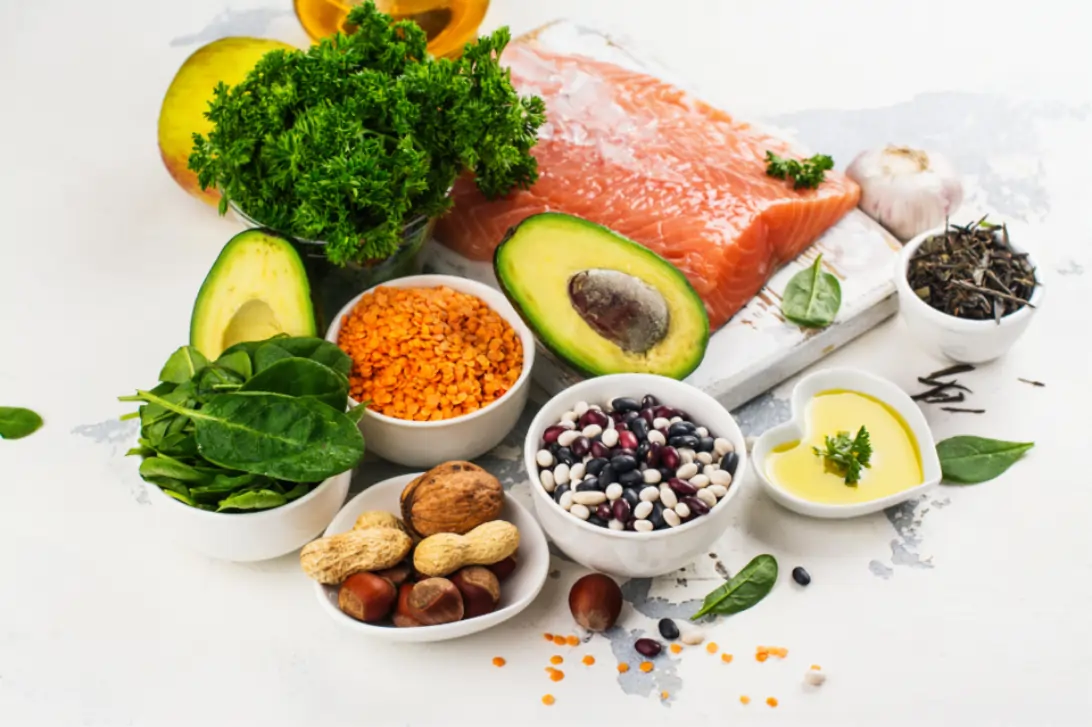
The focus should be on avoiding artificial trans fats (found in heavily processed, deep-fried foods) and limiting excessive saturated fats, while actively including unsaturated healthy fats like olive oil, avocados, nuts (almonds, walnuts, pistachios), seeds, and dates in your everyday routine.
Myth 3: Eating Late at Night Causes Automatic Weight Gain
The Truth:
Your body doesn’t automatically flip a switch at 8:00 PM that turns every calorie consumed into body fat. Weight management is determined by your overall daily energy balance, not the specific time on the clock.
People often associate late-night eating with weight gain because midnight snacks tend to be:
- High-calorie, ultra-processed junk food (like chips, ice cream, or candy).
- Consumed mindlessly while watching television or scrolling through phones.
- Eaten after a full day’s worth of calories has already been consumed.
If you are genuinely hungry late in the evening, opting for a light, nutrient-rich snack—such as a piece of fruit, a handful of almonds, or a couple of dates—won’t ruin your health goals as long as it fits within your daily nutritional needs.
Myth 4: You Need to Do “Detox Diets” or Juicing to Cleanse Your Body
The Truth:
Extremely low-calorie juice cleanses, tea detoxes, and fasting regimes are incredibly popular, but you do not need fancy drinks to detoxify your body.
You were born with a built-in, highly efficient detox system: your liver, kidneys, lungs, digestive tract, and skin. These organs work 24/7 to neutralize and filter out waste products and toxins.
Juice cleanses often strip away beneficial fiber while flooding your system with concentrated sugars, leaving you fatigued and hungry. Instead of spending money on expensive commercial detoxes, support your natural organ function by:
- Drinking plenty of water daily.
- Eating fiber-dense foods (vegetables, whole grains, and dried fruits).
- Getting consistent, high-quality sleep.
- Limiting alcohol and highly processed foods.
Myth 5: Skipping Meals Is a Great Way to Lose Weight Fast
The Truth:
While intentionally skipping a meal might seem like an easy way to slash calories, it often backfires.
Regularly skipping meals leads to sharp drops in blood sugar, which can trigger intense fatigue, irritability, brain fog, and severe cravings. When you finally sit down for your next meal, you are far more likely to overeat or opt for quick-fix, high-calorie foods to satisfy your ravenous hunger.
Must Read: 25 Amazing Health Benefits of Dates
Consistently under-fueling your body can also cause your resting metabolic rate to slow down as your body attempts to conserve energy. Sustainable healthy habits rely on consistent, balanced nourishment rather than extreme deprivation.
Myth 6: Fresh Fruit and Vegetables Are Always Better Than Frozen
The Truth:
There is a widespread assumption that frozen produce is “less nutritional” or inferior to fresh items. In reality, frozen fruits and vegetables are often just as nutritious—and sometimes even more nutrient-rich—than fresh produce.
Here’s why:
- Frozen Produce: Is typically harvested at peak ripeness and immediately flash-frozen, locking in essential vitamins, minerals, and antioxidants.
- Fresh Produce: Is often picked before it reaches full maturity to withstand long transportation times. During shipping, storage, and sitting on grocery shelves, fresh produce gradually loses water-soluble nutrients over time.
Don’t hesitate to stock your freezer with frozen berries, spinach, or mixed vegetables. They are budget-friendly, convenient, and packed with nutrition!
Myth 7: Eating Egg Yolks Is Bad for Your Heart
The Truth:
For years, people threw away egg yolks in favor of egg whites due to concerns over dietary cholesterol. Modern nutritional science has largely disproved this fear.
Research shows that dietary cholesterol (found in foods like egg yolks) has a minimal impact on blood cholesterol levels for the vast majority of healthy people. Instead, saturated fats and trans fats play a significantly larger role in elevating blood cholesterol.
Egg yolks contain the vast majority of an egg’s nutrients, including:
- Choline: Essential for brain function and memory.
- Lutein and Zeaxanthin: Antioxidants that protect eye health.
- Vitamin D, Vitamin B12, and Healthy Fats.
Unless you have been specifically advised otherwise by your physician due to a specific medical condition, eating whole eggs as part of a balanced diet is completely safe and highly nutritious.
Myth 8: All Natural Sweeteners Are “Healthy” and Can Be Eaten Unrestricted
The Truth:
Many people swap refined white sugar for alternative natural options like honey, maple syrup, agave, or coconut sugar, assuming they are entirely healthy.
While natural sweeteners do contain small trace amounts of minerals, vitamins, and antioxidants that refined white sugar lacks, your body still processes all added sugars similarly. At a metabolic level, excess intake of any added sugar can contribute to blood sugar spikes, inflammation, and unwanted weight gain.
Pro Tip: If you want a truly healthy way to sweeten your meals, turn to whole foods like whole dates or mashed bananas. Unlike liquid sweeteners, whole fruits come packaged with natural dietary fiber, which slows down sugar absorption and keeps your energy levels stable.
Myth 9: High-Protein Diets Are Only for Bodybuilders and Athletes
The Truth:
Protein is often marketed primarily to muscle-building bodybuilders and elite athletes, leading everyday individuals to assume they don’t need much of it. In truth, protein is vital for everyone, regardless of activity level.
Protein is responsible for:
- Building and repairing tissues, skin, hair, and nails.
- Synthesizing critical enzymes and hormones.
- Preserving lean muscle mass as you naturally age.
- Keeping you feeling full and satisfied after meals.
If your diet lacks adequate protein, you may experience persistent hunger, muscle loss, weak hair/nails, and frequent energy crashes. Ensure every meal contains a quality protein source—such as lean meats, eggs, paneer, tofu, lentils, nuts, or seeds.
Myth 10: Healthy Eating Has to Be Expensive and Complicated
The Truth:
Trendy superfood powders, fancy organic boutiques, and expensive meal kits give the impression that eating healthy requires a massive budget. This simply isn’t true.
Nourishing your body can be wonderfully simple and affordable. Some of the healthiest, most nutrient-rich foods on the planet are everyday, budget-friendly staples:
- Whole grains (oats, brown rice, millets)
- Legumes and lentils (dal, chickpeas, beans)
- Local, seasonal fresh fruits and vegetables
- Traditional dried fruits and seeds (dates, walnuts, almonds, flaxseeds)
- Eggs and canned fish/poultry
Healthy eating isn’t about buying overpriced “superfood” labels—it’s about building a consistent diet centered around accessible, minimally processed whole foods.
Quick Summary: Fact vs. Fiction
| Myth | Science-Backed Fact |
| Carbs make you gain weight | Excess calories cause weight gain, not complex, fiber-rich carbs. |
| Avoid all fats | Healthy fats are vital for hormone health, brain function, and nutrient absorption. |
| No eating past 8 PM | Total daily energy intake matters far more than the exact time you eat. |
| Juice cleanses detox your body | Your liver and kidneys handle detoxifying automatically 24/7. |
| Frozen veggies are bad | Frozen produce locks in peak nutrients and is just as healthy as fresh. |
Final
Healthy eating doesn’t require extreme restriction, complicated rules, or cutting out entire food groups. By letting go of outdated nutrition myths and focusing on balance, variety, and whole foods, you can nourish your body while enjoying the food on your plate!